
On Initiation
Is Modern Occulture Losing a Valuable Praxis?


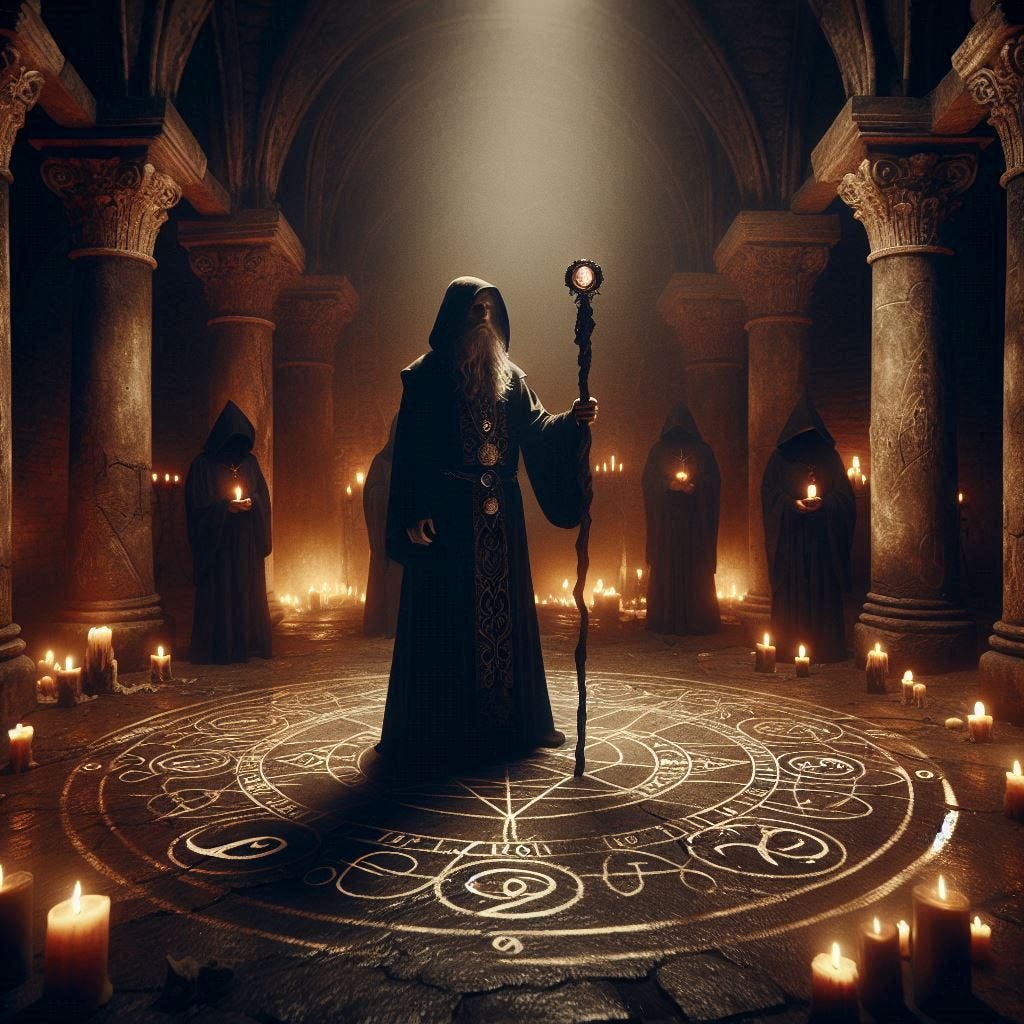
From my point of view, it seems like most people starting their adventures into occultism these days are doing it by way of YouTube, TikTok, and various social media groups. While I do think we should make use of current technology, there are also some things missing. Initiation’s one of those things. The history of initiation can be traced to ancient cultures across the globe, where ceremonial rites were used to mark transitions such as adulthood, priesthood, or entry into mystery schools. In ancient Egypt, candidates underwent elaborate rituals to become priests, involving purification, tests of character, and symbolic rebirth. Greek mystery cults, such as those of Eleusis, required participants to undergo secret initiations to access esoteric teachings about life, death, and the afterlife.
Similar patterns emerged in indigenous societies, where shamanic initiations involved ordeals, visions, and the transmission of sacred knowledge. Initiatory practices vary widely across cultures, reflecting diverse cosmologies and social structures. In African spiritual traditions, initiation often involves communal ceremonies, trials, and the bestowal of sacred objects. Native American societies employ vision quests and sweat lodge rituals to facilitate encounters with spirit guides. In Asian esoteric systems, such as Vajrayana Buddhism, initiation’s conferred through ritual transmission from teacher to student, granting access to specific practices and teachings. Despite differences in form, these traditions share a common emphasis on transformation, secrecy, and the transmission of wisdom.
Initiation serves as a transformative rite of passage within magical and esoteric traditions, marking a formal transition from outsider to participant. This process often involves ritualized ceremonies that impart symbolic knowledge, confer spiritual authority, and foster community belonging. Far from being a mere formality, initiation’s regarded as a profound encounter with mystery, designed to awaken deeper awareness and catalyze personal growth. Its significance is both practical—establishing group structure—and metaphysical, as initiates are believed to access hidden wisdom and spiritual power.
Or at least that used to be the way…
Occulture’s evolved significantly in recent decades. Traditionally, those interested in the occult gravitated toward formal organizations—such as secret Orders, covens, lodges, or esoteric societies—seeking community, mentorship, and structured learning. However, in the contemporary era, there’s been a marked shift toward solitary practice and a decreased interest in joining such groups. This change reflects broader cultural movements and technological advances that’ve redefined the way individuals engage with spirituality and the occult.
One of the most significant factors driving the rise of solitary occulture is the increasing emphasis on individualism in modern society. Today, many practitioners value personal autonomy and self-expression over conformity to group norms or traditions. The solitary path allows for greater flexibility, enabling individuals to tailor their beliefs and practices to suit their unique experiences and needs. This trend aligns with wider movements in spirituality, where personalized, eclectic approaches are often preferred over rigid dogmas.
The advent of the internet’s democratized access to occult knowledge. In the past, esoteric teachings were closely guarded and transmitted through established groups and lineages. Now, information about rituals, symbolism, and occult philosophy is readily available through websites, online forums, social media, and digital libraries. This accessibility empowers individuals to learn and experiment independently, reducing the perceived necessity of joining formal organizations to gain insight or instruction.
Many traditional occult groups have experienced declining membership or have struggled to adapt to contemporary values. Hierarchical structures, secrecy, and rigid initiation processes can seem outdated or exclusionary to modern seekers, who are often wary of authority and skeptical of groupthink. Additionally, reports of abuse, manipulation, or internal conflict within some organizations have led individuals to question the safety and ethics of group involvement, further fueling the preference for solitary paths.
As a result, many people exploring occult practices today are drawn to alternative models of learning and community that prioritize openness, flexibility, and mutual respect. Online platforms, discussion forums, and virtual study groups have become popular spaces for sharing knowledge and experiences without the constraints of formal membership or hierarchical oversight. This shift allows practitioners to build networks based on shared interests and voluntary collaboration, rather than obedience to tradition or authority. Moreover, the transparency and accessibility of digital communities help foster a sense of safety and accountability, making it easier for individuals to avoid potentially harmful situations and find support among peers. In this evolving landscape, the emphasis on personal growth and ethical engagement is central, reflecting a broader desire to redefine spiritual practice in ways that feel inclusive and empowering.
Social changes, including increased mobility, shifting work patterns, and the rise of online communities, have made it easier for people to pursue solitary interests. Where once geographic proximity was required to participate in a coven or lodge, today’s practitioners can connect with like-minded individuals virtually, without committing to the obligations or rituals of formal membership. For many, occasional online interaction or informal meetups are sufficient, making traditional group structures less relevant.
This new paradigm has significant implications for how knowledge and experience are shared within the occult community. Practitioners are no longer limited by time zones or schedules; they can access teachings, participate in discussions, and seek guidance from a global pool of peers and mentors at any hour. Virtual study groups, livestreamed rituals, and collaborative online projects allow for both learning and social connection without the logistical hurdles of physical gatherings. The ability to maintain anonymity or selectively share personal information also appeals to those who value privacy or wish to avoid stigma. As a result, the solitary path isn’t necessarily isolating, but can be enriched with meaningful exchanges and support, facilitated by digital platforms that foster inclusivity and diverse perspectives.
As modern occulture continues to evolve, the solitary practitioner is likely to remain a dominant figure. While some will always seek out the camaraderie, mentorship, and tradition that groups provide, the prevailing trend is toward self-reliance and personal exploration. Technology, changing cultural values, and a desire for autonomy suggest that occulture will remain fluid, decentralized, and increasingly shaped by the choices and preferences of individuals rather than organizations.
This shift toward solitary practice also encourages a broader diversity of spiritual expression and experimentation within the occult community. Freed from the constraints of rigid hierarchies and codified rituals, individuals are able to blend influences from various traditions, adapt techniques to their own circumstances, and develop highly personalized systems of belief. The role of the practitioner transforms from passive recipient of handed-down wisdom to active creator and curator of their own spiritual journey. As a result, occulture becomes more inclusive and adaptable, reflecting the complexities and changing needs of contemporary life. This ongoing evolution promotes a culture of innovation and critical engagement, where each person’s path is respected and where new forms of community and support can flourish, both online and offline.
However…

In contemporary society, many people have lost access to authentic initiatory experiences, which leaves a subtle but significant emptiness in our collective psyche. Without clear rites of passage, individuals often struggle to mark meaningful transitions or feel truly welcomed into new roles or communities. The absence of these rituals can result in a lack of direction, diminished sense of belonging, and uncertainty about one’s place in the world. As a result, people may find it harder to navigate personal growth or connect deeply with others, highlighting just how essential the initiatory process is for fostering purpose and resilience.
This void left by the absence of meaningful initiation rituals isn’t merely a matter of individual experience—it reverberates through families, organizations, and entire communities. When people aren’t guided through structured transitions, they may feel adrift or disconnected, lacking the anchors that help shape identity and purpose. In workplaces, for example, the lack of ceremonial acknowledgment when someone takes on new responsibilities can make achievements feel less significant and hinder integration into the group. Similarly, young people moving from childhood to adulthood without clear markers can experience confusion and insecurity about their evolving roles. Communities that neglect these traditions risk losing vital opportunities for teaching core values, fostering solidarity, and nurturing leadership. Ultimately, reintroducing or reinventing initiatory practices can help restore a sense of meaning and continuity, creating stronger, more resilient individuals and societies.
Initiation holds power for several reasons. First, it creates a clear boundary between the past and the future, helping individuals make meaning of change. The process is often accompanied by challenges that push participants beyond their comfort zones, fostering resilience, self-discovery, and confidence. The communal aspect of initiation fosters a sense of belonging and shared purpose, as initiates are welcomed and recognized by their peers and mentors. This social validation can be deeply empowering and affirming.
On a psychological level, initiation rituals allow for the integration of new knowledge, responsibilities, or values. The deliberate transition helps to internalize changes, making them enduring and meaningful. In some traditions, spiritual initiation provides a sense of connection to something greater than oneself, deepening one’s sense of identity and purpose.
Initiation is valuable because it marks significant transitions in life, such as adolescence to adulthood, student to professional, or outsider to community member. These experiences provide structure and support during times of change, reducing anxiety and uncertainty. Initiation rituals also transmit the values, expectations, and culture of the group, ensuring continuity and cohesion.
Moreover, the shared experience of initiation creates lasting bonds among participants. These relationships often form the foundation for mentorship, collaboration, and mutual support. For individuals, the memory of initiation can serve as a touchstone in future challenges, reminding them of their capabilities and the community that stands behind them.
So, in the midst of an ever-evolving modern Occulture, what do we do?
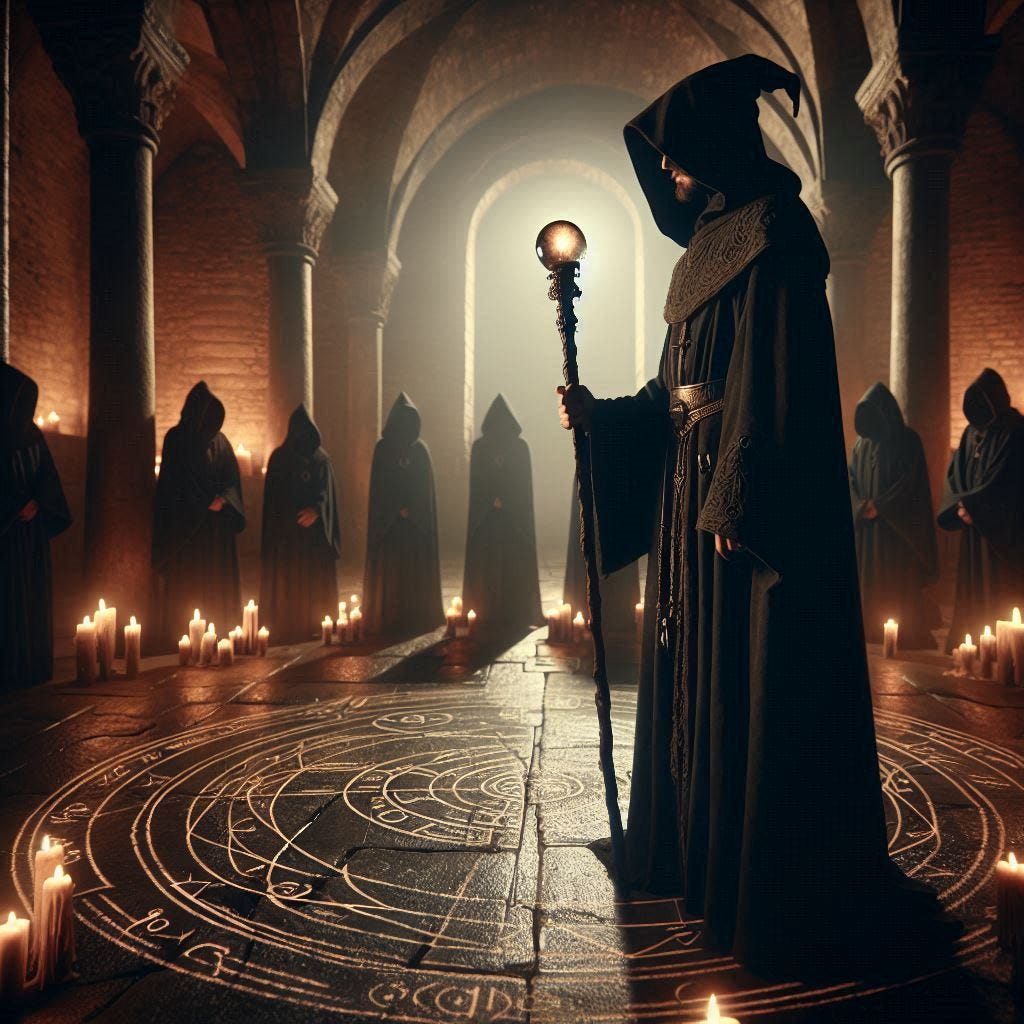
Initiation’s often associated with formal rituals, ceremonies, or rites of passage. However, real-life initiations aren’t limited to ritualistic settings. In fact, many everyday experiences can be initiatic in nature, marking profound transitions, growth, or transformation in a person’s life. These real-life initiations can shape our identity, worldview, and sense of purpose just as powerfully, if not more so, than traditional rites.
By “Real-life” initiations, I’m referring to significant, sometimes challenging, experiences that propel individuals into new stages of personal development or understanding. Unlike ritual initiations, which are often planned and symbolic, these moments usually unfold organically and can be deeply personal.
Throughout our lives, we encounter a range of experiences that (can) function as initiatic events, marking significant transitions and shaping who we become. One such example is the completion of an educational journey and the subsequent entry into the workforce. This shift from student to professional brings with it new responsibilities, expectations, and opportunities for growth, serving as a powerful real-life initiation into adulthood and societal contribution.
Similarly, choosing to enter into marriage or a committed partnership marks an initiation into shared living. This transformative experience involves learning to navigate mutual decision-making and fosters personal growth through intimacy and collaboration. For many, the transition into parenthood—whether by birth or adoption—brings profound changes. It redefines priorities and instills a deep sense of responsibility, love, and vulnerability, marking a new chapter in personal evolution.
Loss and grief can also serve as powerful initiatic experiences. The death of a loved one or the experience of significant loss forces individuals to confront mortality and often leads to the development of new perspectives on life and personal resilience. In a similar vein, career changes or retirement prompt individuals to adapt, redefine their sense of self, and explore new interests or identities as they transition into unfamiliar stages of life.
Moving to a new place, whether a different city or country, can be deeply transformative. The necessity to adapt to new cultures, norms, and environments sparks self-discovery and personal growth. Personal challenges, such as surviving illness, recovering from addiction, or overcoming hardships, often push people to tap into inner strength and resilience, acting as initiations into a more profound understanding of themselves.
Finally, moments of illumination, spiritual awakening, or crisis catalyze a reevaluation of beliefs, values, and one’s understanding of existence. These experiences, although sometimes difficult, can lead to significant transformation and a deeper sense of meaning in life.
Real-life initiations are integral to human experience. They may not involve formal ceremonies, but their impact can be profound, often marking the beginning of a new chapter in one’s life. Recognizing these events as initiatic helps us appreciate the growth and transformation they foster, reminding us that life itself is a journey filled with opportunities for personal evolution.
Damn good read, sir! I absolutely concur. It puts me in mind of this little video essay I made a while ago that I think complements your thoughts quite well. I hope the link will work here (there's a bit of a preamble, but the discussion of Initiation proper begins around 7'40"...)
https://youtu.be/7YP070K9IDI?si=xK7lC0PTf2DuK4ZI