Exploring Sigilization Beyond Spare's Ideas
Getting past squiggles on a piece of paper

Fair warning. This one’s long. The more I thought about the basic idea, the more that came to me. It started out as part of my recent “Everyday Magic” post, because a lot of the concepts are fairly common things, but the ideas just kept flowing until it became it’s own thing.
The word sigil most likely comes from the Latin sigillum, which means “seal”. In Grimoire traditions it was used for the symbols that represented a sort of ‘signature’ for various spirits, angels, and demons a magician could summon for some specific purpose. In modern usage, the word is most often associated with the work of Austin Osman Spare and what can be referred to as the ‘monogram’ method of sigilization, popularized in large part by Chaos Magic.
I’ve mentioned before that I’m not really a fan of the Spare method of Sigil Magic. I know people who have pretty good luck with it, but it’s just never really been my thing, at least not by itself. I use the technique for other things, like creating seals for servitors and so forth.
Personally though, I prefer to see sigilization more as the act of using a symbolic representation of a statement of intent and desired outcome, and when you look at it like that, Spare’s method is just a technique, and most anything that we consider Magic, not to mention a lot of things haven’t, can be Sigil Magic.
I’ll discuss some of these ideas more at length shortly, but for now let’s just say that the evolution of sigil magic beyond Austin Osman Spare's original ideas demonstrates the vast potential of this practice. By exploring new methods and mediums, practitioners can continually innovate and personalize their magical work, ensuring that sigil magic remains a dynamic and powerful tool for manifesting intentions.
Here are some diverse options:
(disclaimer: I’m in no way claiming that I invented any of these examples. Some of them have been around for an incredibly long time. You might actually do some of these and maybe just haven’t thought of them as sigils. It’s my hope that something here might spark a new idea for someone though.)
Collage Art
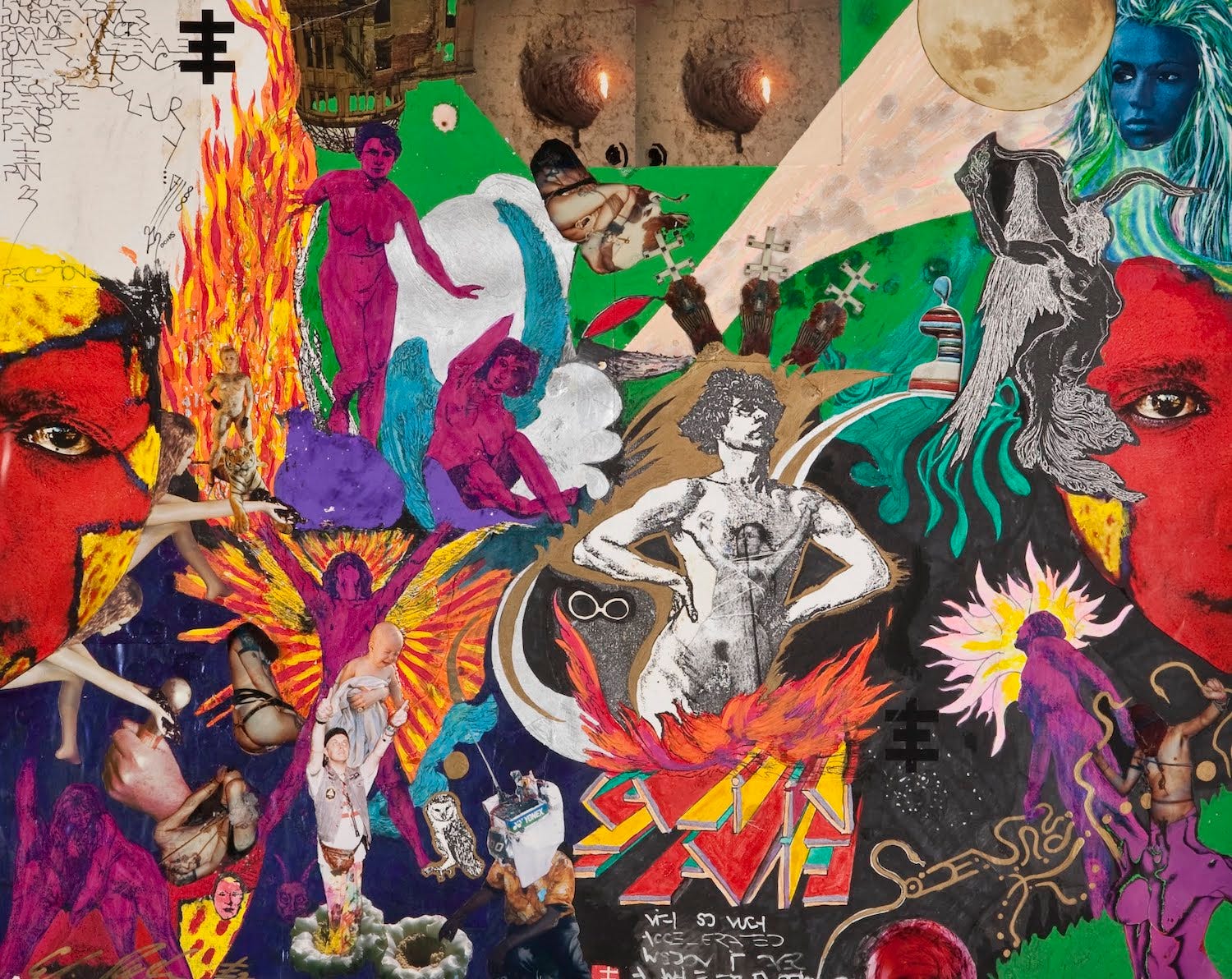
When I was involved with TOPY there was a private website called ‘Thee Sigil Garden’. It was basically a visual archive of sigils that had been sent to the North American Station. That was something TOPY people did, long story. By far, most of the sigils were in the form of collage art. For clarity (just in case) Collage is an artistic technique that involves assembling various materials, such as paper, photographs, fabric, and other objects, to create a new whole. It is a form of abstract visual storytelling that allows for endless creativity and expression. The process of creating a collage can be both meditative and intuitive, making it an ideal medium for sigil magic. The concept is basically no different than that of a Vision Board and Psychologists who may or may not be fans of Oprah Winfrey suggest them all the time.
Using collage for sigil magic is basically the same as the typical method, except instead of using letters from your statement of intent to make a symbol you’ll be using visual images from magazines and newspapers, markers, pens and other drawing tools, and possibly fabric, buttons, beads, and other various embellishments.
As you gather images and materials for your collage, allow your intuition to guide you. Look for images, colors, and textures that resonate with your intent. These elements will add layers of meaning and energy to your sigil collage.
Body Modification
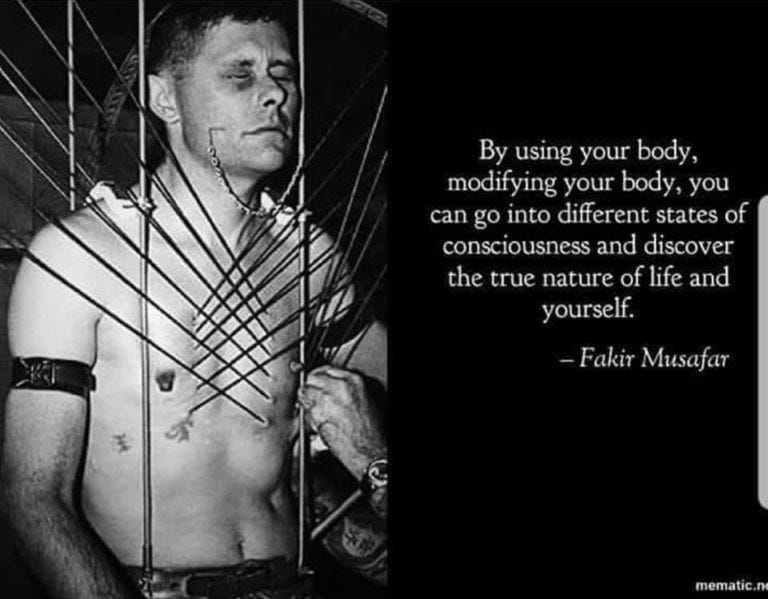
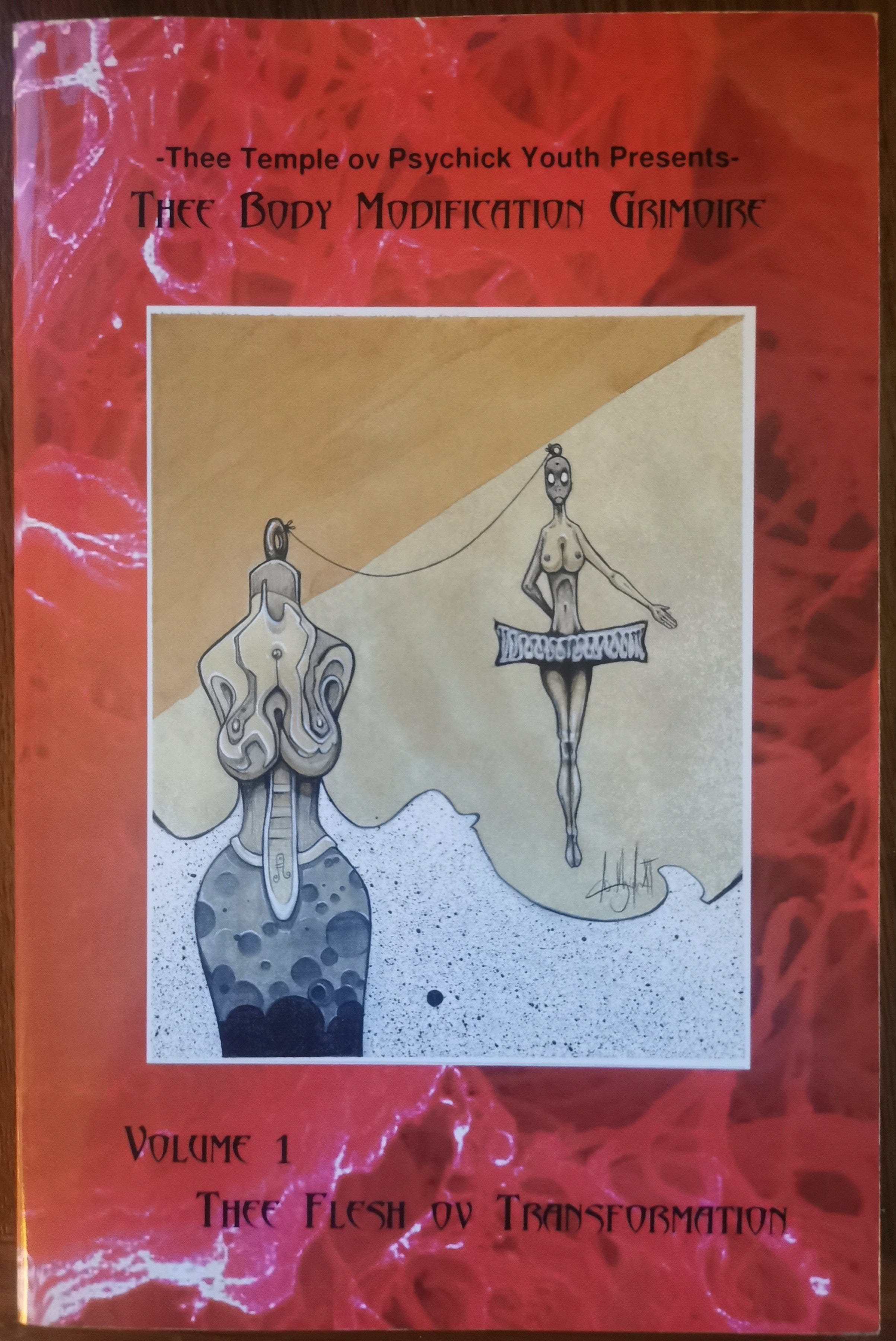
What Mr. Musafar is doing in the photo above is doing might seem odd, but in reality, body modification in one form or another is incredibly common. Body modification has been an integral part of human culture for millennia, serving as a form of self-expression, status symbol, and spiritual practice. From the intricate tattoos of Polynesian tribes to the scarification rituals of African communities, to every ‘90s school girl getting a navel ring, every teenage guy turned raging bodybuilder, all the pre-menopausal ‘cougars’ out there getting facelifts, and the tattoos on, well, pretty much everybody, body modification has taken many forms, each imbued with profound significance. It’s within this context that we explore the concept of body modification as sigil and ritual technology.
Historically, body modifications have often been employed as powerful sigils. For instance, in Polynesian culture, tattoos were not merely decorative but held deep spiritual meanings. Each tattoo was a sigil that conveyed the individual's genealogy, social status, and personal milestones. Similarly, in various African cultures, scarification served as a rite of passage and a form of protection. These marks were believed to embody the spiritual energy necessary to navigate life's challenges. Similarly, the piercing and stretching of earlobes and other body parts in various tribes were performed as part of initiation ceremonies, symbolizing the individual's transition from one stage of life to another.
In contemporary society, body modification continues to serve as a sigil and ritual technology, albeit in more individualized and varied forms and certainly not thought of as Magic by most people. Tattoos, piercings, and other modifications are often chosen to represent personal beliefs, milestones, or as talismans for protection and strength. For example, a person might choose to tattoo a symbol representing resilience or transformation, thereby integrating the sigil into their physical being.
The process of modifying one's body can be an intensely transformative experience, both physically and emotionally. The pain endured during the modification process often serves as a form of catharsis, allowing individuals to confront and release deep-seated emotions. This can lead to a heightened sense of self-awareness and empowerment, as the individual integrates the new symbol into their identity.
Unlike traditional rituals bound by communal practices, modern body modification allows for personal customization. Individuals can create unique sigils that resonate with their specific intentions and life experiences. The act of designing and choosing these modifications is itself a ritual, requiring introspection and intention-setting. As such, body modification becomes a highly personalized form of ritual technology, tailored to the individual's spiritual journey.
Hypersigils

A hypersigil is a more advanced form of sigil magic. Unlike traditional sigils, hypersigils are complex narratives or works of art that contain multiple layers of meaning and intention. These narratives can manifest as stories, comics, performances, or any medium where a storyline can be developed and followed. Hypersigils can be powerful tools for personal transformation and manifesting desired results.
Unlike traditional sigils, hypersigils aren’t confined to individual transformation; they hold the potential to influence collective consciousness. By connecting with like-minded individuals and communities, you can amplify your hypersigil’s impact, creating a ripple effect that transcends personal boundaries. Collaborative projects, shared goals, and collective narratives can harness the power of group intention, driving change on a broader scale.
The concept of the hypersigil was popularized by British comic book writer Grant Morrison. Morrison's comic series "The Invisibles" is one of the most cited examples of a hypersigil in modern literature. In this series, Morrison embedded personal experiences, desires, and intentions into the storyline, effectively using the narrative as a magical tool for personal and societal transformation.
A hypersigil functions by creating a detailed, multifaceted story or piece of art that resonates with the creator's intent. The key idea is that by engaging deeply with the narrative, the creator aligns their ‘subconscious’ mind with the desired outcome. This alignment facilitates the manifestation of intentions in the material world.
Memes and Social Media
In the ever-evolving landscape of digital culture, internet memes have emerged as a powerful form of communication, capable of conveying complex ideas and emotions with brevity and humor. Yet, beyond their surface-level appeal, these memes can also be harnessed for more profound purposes. They can serve as potent spells, tapping into the collective consciousness and the dynamic energies of the digital age.
Internet memes, with their widespread recognition and inherent symbolism, can be seen as contemporary sigils. Memes encapsulate cultural references, emotions, and shared experiences, making them ideal vessels for magical intent. By selecting or creating a meme that resonates with a particular desire, a practitioner can infuse it with personal significance and use it as a spell.
Crafting Memetic Spells
To effectively use internet memes as spells in Chaos Magic, one must approach the process with creativity and intention. The following steps outline a method for crafting memetic spells:
· Identify Your Intent - The first step in creating a memetic spell is to clearly define your intent. Understanding what you wish to achieve is crucial.
· Select or Create a Meme - Choose an existing meme that aligns with your intent or create a new one. The meme should encapsulate the essence of your desire and be easily recognizable.
· Charge the Meme - Infuse the meme with your emotional energy. This can be done through meditation, visualization, or ritual. Focus on the meme and project your desire into it.
· Release and Share - Once charged, the meme should be released into the digital realm. Sharing the meme on social media platforms or forums allows it to interact with the collective consciousness, amplifying its effect.
One of the unique aspects of using internet memes in Chaos Magic is their ability to tap into the collective consciousness. This makes them hypersigilistic. Memes can be shared, adapted, and disseminated across vast networks, reaching millions of individuals. This widespread interaction imbues the meme with a collective energy, enhancing its potency as a spell.
Social media platforms offer a unique and potent medium to craft and project hypersigils. Each post, comment, like, and interaction contributes to an overarching narrative that defines one's public persona and influences personal growth. By mindfully curating content, individuals can align their digital presence with their innermost goals and aspirations, creating a powerful feedback loop that reinforces their desires and intentions.
To effectively use social media as a hypersigil, one must approach it with intention and mindfulness. Here are some steps to guide you through the process:
Define Your Intent: Clarify your goals, aspirations, and the essence of what you wish to manifest in your life. This foundational step sets the tone for your digital presence.
Create Authentic Content: Share posts, images, and stories that resonate with your true self and align with your defined intent. Authenticity is key to maintaining the integrity of your hypersigil.
Engage Mindfully: Interact with others in a manner that supports and enhances your narrative. Positive interactions and meaningful connections amplify the energy of your hypersigil.
Monitor and Adapt: Regularly review your content and interactions to ensure they remain aligned with your goals. Adjust your narrative as needed to stay true to your evolving self.
If this seems like a crazy idea to you, you’ve either conquered social media and I applaud you or you’re not paying attention. Countless individuals and brands have successfully used social media hypersigils to transform their lives and achieve remarkable goals. I’m not saying they necessarily know that’s what they’re doing. Just think about people you’ve followed who’ve documented their journeys of self-improvement, from fitness transformations to career advancements, using social media to stay accountable and motivated. What about entrepreneurs and creators that have cultivated loyal followings by aligning their brand narratives with their core values and vision, leveraging social media to drive business success. How about activists and organizations that have mobilized support and effected change by crafting compelling narratives that resonate with the collective consciousness, using social media as a platform for advocacy and awareness.
While the concept of a social media hypersigil is powerful, it’s not without challenges. Balancing the need for authenticity with concerns about privacy can be challenging. It’s essential to share genuinely while protecting personal boundaries. The constant need to maintain and curate a digital narrative can lead to overwhelm and burnout. Self-care and mindful engagement are crucial to sustaining a healthy hypersigil. And as we all know far too well, social media is rife with negativity and criticism. Navigating these interactions while maintaining a positive narrative requires resilience and emotional intelligence.
Music
Maybe you’re a musician, or just a lover of music. Throughout history, music has played a profound role in shaping cultures, evoking emotions, and transcending boundaries. Music has also been used as a powerful tool for magical practices. Even if you’re just a listener and haven’t ever deliberately used music in a magical way I’d bet you can think of certain songs that never fail to make you feel a specific way. These pieces of sound are magical catalysts for you and you can use them just like candles, pretty rocks, and incense.
If you happen to be a musician, you can create your own auditory sigils. If you share them with the world they can become hypersigils. The process of creating music as a sigil involves several steps. First, like in traditional sigil methods, the practitioner must clarify their intention—what they wish to manifest or achieve. This intention is the foundation upon which the musical sigil will be built.
Begin by defining your intention in clear, specific terms. Whether it’s for healing, prosperity, protection, offing the neighbor, or personal growth, the intention must be sincere and focused. Write down the intention as a statement or a phrase. This serves as the blueprint for the musical creation.
Select musical elements that resonate with the intention. This can include melody, rhythm, harmony, and instrumentation. Each element carries its own energetic signature and can be chosen to align with the desired outcome. For instance, a slow, soothing melody may be chosen for healing, while an upbeat, rhythmic pattern might be selected for empowerment or motivation.
Compose the music with the intention in mind, allowing the melody and harmonies to flow naturally. As the music takes shape, imbue it with your focused energy and intent. This act of composition is akin to drawing a visual sigil, where each note and chord represents an aspect of the intention. The music becomes a living sigil, charged with the practitioner's will.
Once the musical sigil is composed, it must be activated. Listen to the music in a meditative or ritualistic state, allowing the sound to permeate your being. Focus on the intention and visualize it manifesting through the music. Some practitioners may choose to perform the music live, further charging it with the energy of the performance. Post it on the internet.
Using music as a sigil offers several unique benefits. Music's inherent emotional power can enhance the effectiveness of the sigil, making the intention more visceral and impactful. Additionally, musical sigils can be easily incorporated into daily life, providing a constant source of focus and reinforcement.
Music has the ability to evoke strong emotional responses, which can amplify the practitioner's connection to the intention. The emotional resonance of the music helps to embed the intention deeply within the mind, making it more potent and enduring.
Performance Art
Performance art, a dynamic medium known for its ability to captivate and convey profound messages, can be seamlessly interwoven with sigilistic rituals to create a powerful form of artistic and spiritual expression. By merging performance art with sigilization, artists can amplify their intentions and engage audiences in transformative experiences.
Performance art is characterized by its ephemeral and experiential nature and provides an ideal medium for charging and activating sigils. By incorporating sigils into live performances, artists can channel their intentions through the potency of their creative expression, engaging both themselves and their audiences in the magical process.
The integration of sigil magic into performance art begins with conceptualizing a piece that embodies the desired intention. This involves choosing a theme that aligns with the intention, incorporating visual, auditory, and kinetic elements that reflect the sigil and its meaning, and designing interactive components that invite audience participation in the sigil activation.
Once the performance concept is established, the artist creates the sigil. This can be done through traditional methods or by using innovative techniques that align with the performance’s aesthetic. The sigil serves as the focal point of the performance, guiding the flow of energy and intention.
The act of performing itself becomes the ritual that charges the sigil. The artist’s movements, expressions, and interactions with the audience infuse the symbol with dynamic energy. Elements such as music, dance, spoken word, and visual art can be employed to enhance the sigil’s activation. The intensity and authenticity of the performance are crucial in magnifying the sigil’s power.
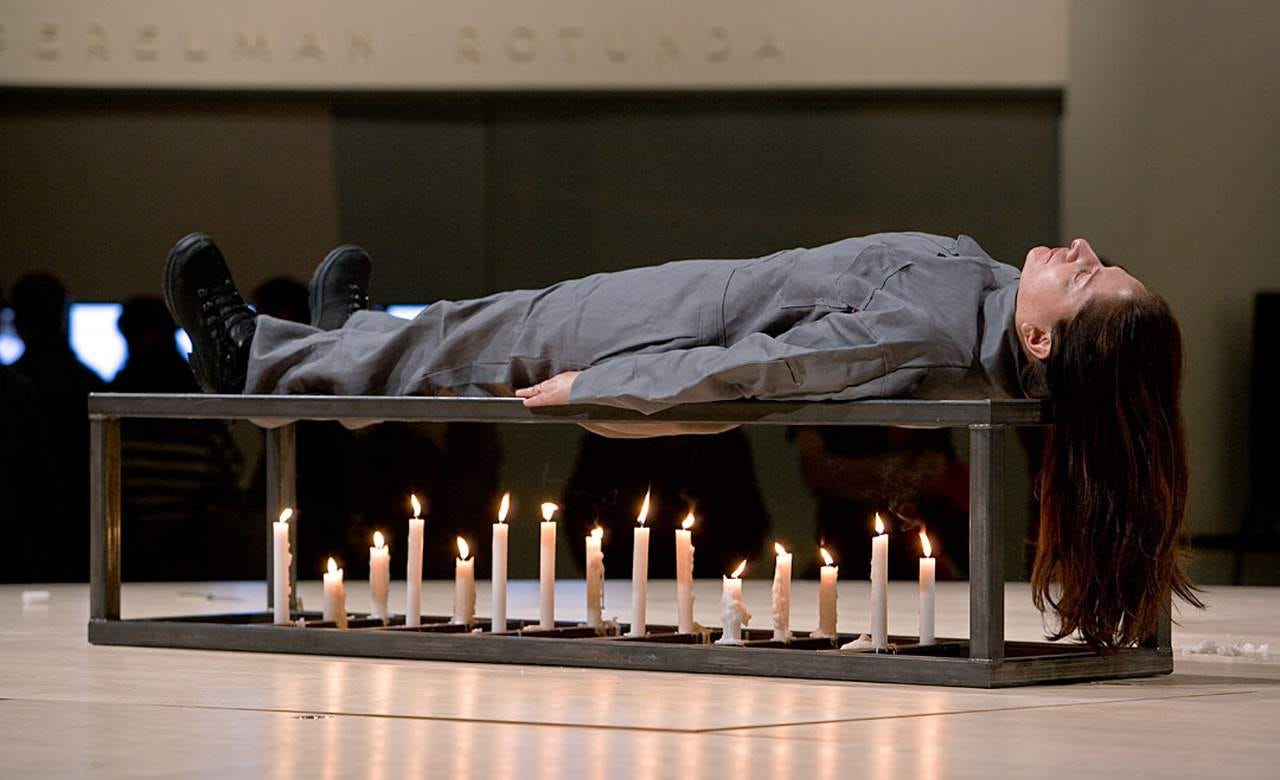
Known for her endurance-based performances, Marina Abramović has utilized symbolic elements that parallel sigil magic. Her ability to captivate and provoke deep emotional responses in her audiences serves as a powerful method of charging sigils.
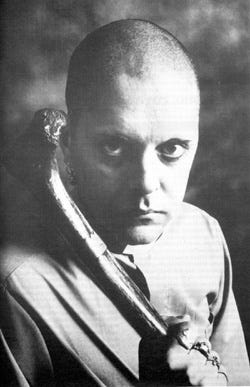
Genesis Breyer P-Orridge, an influential figure in the avant-garde and industrial music scenes, and one of the founders of TOPY, made a habit of integrating sigil-like symbols into performances and ritualistic practices, exploring the transformative potential of art and magic.
Using performance art as a sigil method is a captivating and potent way to blend artistic expression with magical intention. By understanding the principles of sigil magic and creatively integrating them into performances, artists can unlock new dimensions of power and transformation, enriching both their own lives and the experiences of their audiences. This synthesis of art and magic holds immense potential for personal and collective evolution.
Ads, Logos, and Slogans
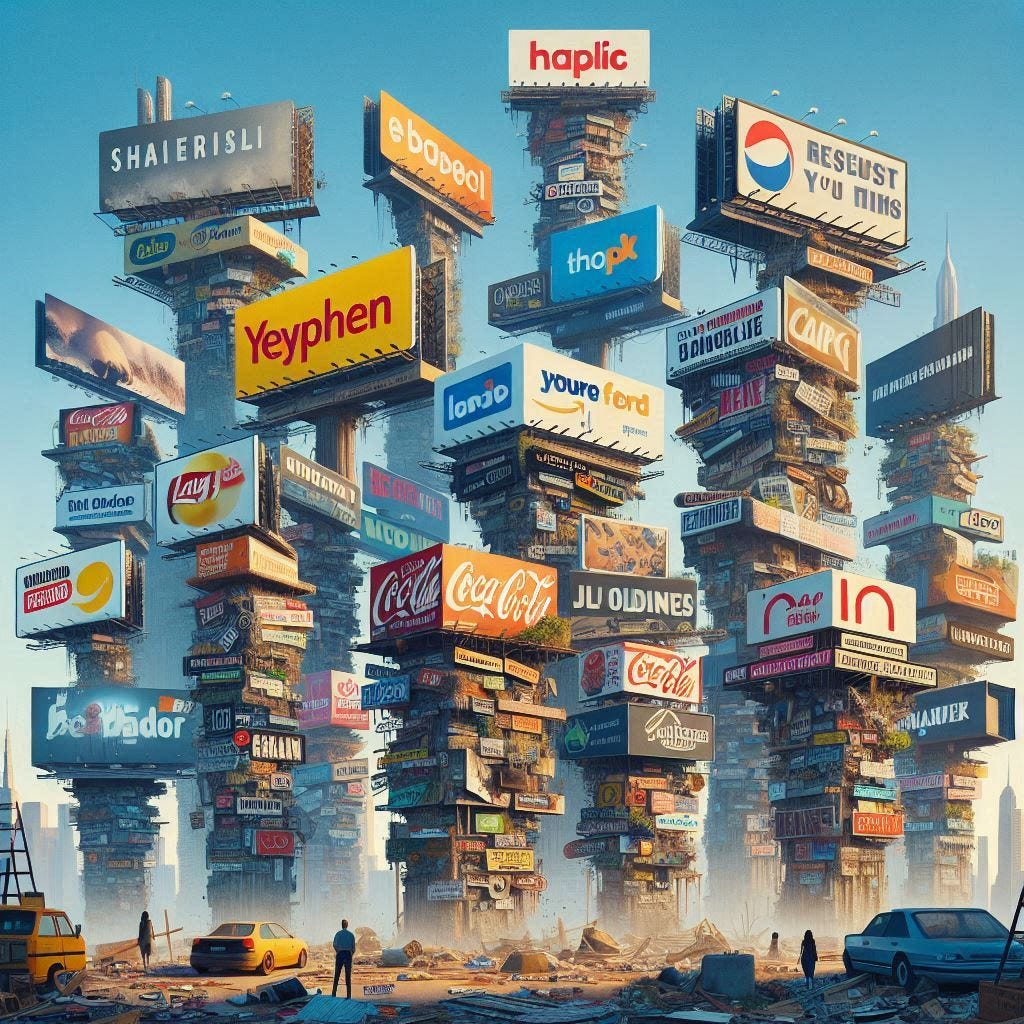
Symbols have always held a potent sway over the human psyche. Whether harnessed by ancient shamans or contemporary advertising agencies, the power of symbols to evoke emotions, actions, and beliefs remains undeniable. In much the same way magicians use sigils and spells to influence the mind and spirit, bending reality in subtle ways, ads, logos, and slogans in modern marketing act as potent tools of manipulation, shaping perceptions and guiding behaviors in ways eerily reminiscent of magical practices.
In 2003, Grant Morrison, who I mentioned earlier, wrote an essay titled “Pop Magic!” for Book of Lies: The Disinformation Guide to Magick and the Occult. It quickly became almost required reading in Chaos Magic circles. In it, he called corporate logos ‘viral sigils’ and basically accused, not wrongfully, big business of using Magic on us all.
In a similar way to sigils in Magic being intricate symbols that represent specific intentions or desires that harness the magician's will and channel it towards manifesting a particular outcome, Logos, the visual identities of brands, function in a similar fashion. They distill a company's essence, values, and promises into a single, recognizable image. Much like a sigil, a logo aims to embed itself within the mind, fostering a connection that transcends mere recognition.
Spells in Magic often rely on incantations—words imbued with power that, when spoken in a specific manner, alter the practitioner's reality. Slogans in marketing serve a parallel purpose. Crafted to be memorable and impactful, slogans encapsulate the brand's message and ethos, creating an emotional resonance with the audience. Just as spells can evoke a sense of enchantment or transformation, slogans can instill a sense of loyalty, aspiration, or desire.
The efficacy of spells often hinges on repetition—the continuous reinforcement of the desired outcome through ritual. Advertising campaigns employ a similar strategy. Through repeated exposure to ads, logos, and slogans, the intended message becomes ingrained in the audience's psyche. This bombardment fosters familiarity, trust, and ultimately, influence. The constant repetition of advertisements can be likened to the repetitive chanting of spells or mantas , ensuring that the desired effect permeates the unconscious mind.
Occult practices often involve creating specific environments—sacred spaces where rituals are performed to enhance their efficacy. Modern marketing endeavors to create immersive environments that foster brand loyalty. From the atmospheric design of retail spaces to the curated experiences of online platforms, brands strive to establish environments where their influence is most potent. These environments act as modern-day temples, where the audience is enveloped in the brand's essence, much like a ritual space enhances the power of occult practices.
Visualization is a cornerstone of many occult traditions, wherein practitioners vividly imagine their desired outcomes to bring them to fruition. Similarly, advertisements utilize vivid imagery and storytelling to paint a picture of an ideal lifestyle or solution attainable through the brand's offerings. These visual narratives create a mental image that the audience can aspire to, aligning their desires with the brand's promises. The process of visualizing and manifesting desires through advertisements mirrors the transformative potential of occult visualization techniques.
Magic often taps into archetypal symbols—universal motifs that resonate deeply within the collective unconscious. Marketing leverages similar archetypes to connect with audiences on a profound level. Symbols of power, success, love, and freedom are woven into ads, logos, and slogans, triggering innate emotional responses. These archetypal symbols act as conduits, allowing brands to communicate complex messages succinctly and effectively, much like the archetypal imagery in occult practices speaks to fundamental human experiences.
Ultimately, both occult practices and modern marketing share the goal of influencing and persuading individuals. Whether through the mystical allure of a spell or the persuasive power of an advertisement, the underlying mechanisms remain strikingly similar. Understanding these parallels sheds light on the profound impact of symbols, rituals, and repetition on human behavior. By recognizing the occult-like influence of ads, logos, and slogans, individuals can cultivate a more discerning approach to the messages they encounter daily.